Deck Building: What to Expect From Professional Deck Builder Services
When evaluating the services of a professional deck builder, homeowners can anticipate a structured approach to reimagining their exterior living areas. From the opening discussion to the concluding steps, every stage is intended to guarantee adherence to local standards and quality. Knowing what to anticipate can facilitate a smoother journey and improve overall results. Nevertheless, homeowners are commonly unclear about what is expected of them throughout this journey. What should they know before starting on this project?
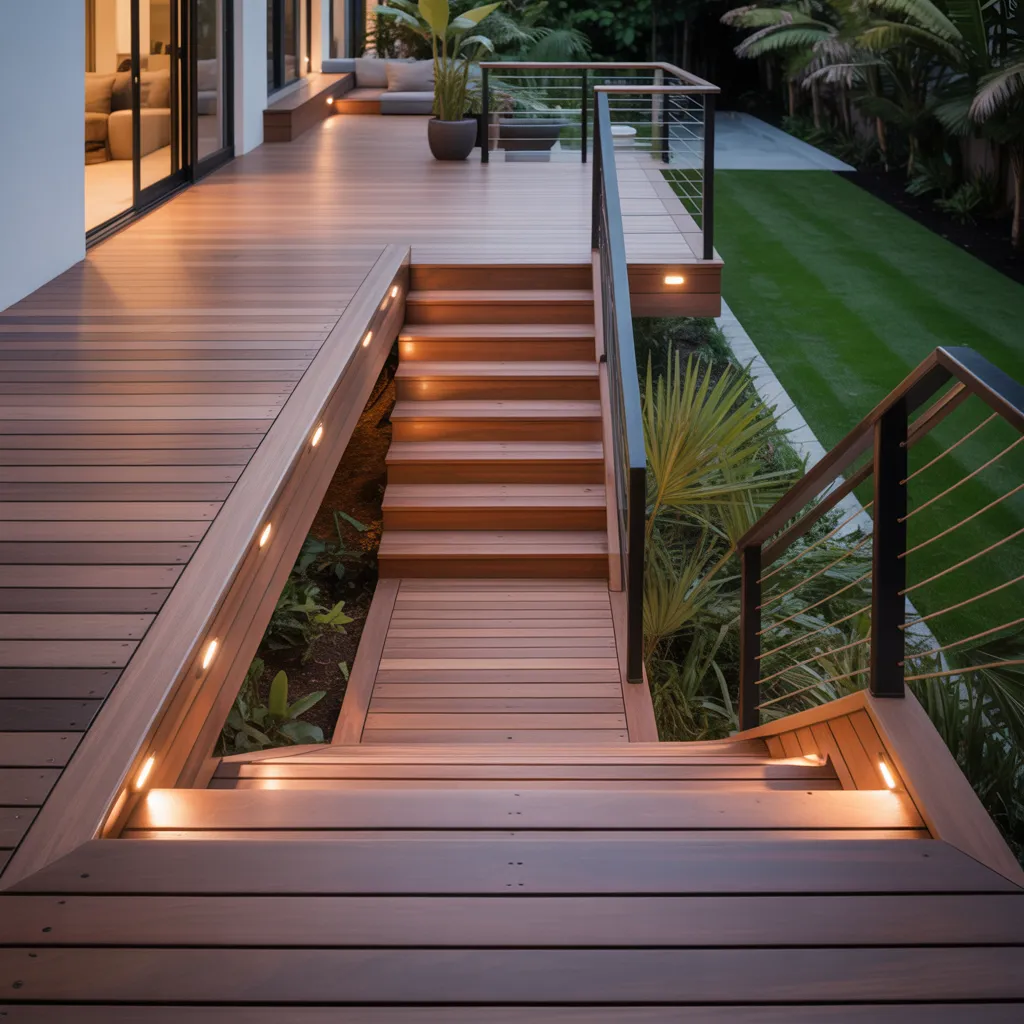
What a Professional Deck Builder Does
A proficient deck building professional is instrumental in revitalizing exterior living areas. Their knowledge covers design, material selection, and construction, ensuring that each undertaking aligns with the homeowner's vision and local building codes. By evaluating the unique characteristics of a residence, they are positioned to propose suitable designs examination that enhance aesthetic appeal and functionality.
These professionals are adept at managing the entire building process, working closely with suppliers, and meeting project deadlines. They possess a deep understanding of a wide range of materials, from wood to composite, enabling them to guide clients regarding durability and maintenance.
In addition, a professional deck builder guarantees structural soundness, incorporating safety standards that align with building codes. Their professional background eliminates common pitfalls, ensuring a efficient construction process and a successful final outcome. When all is said and done, a experienced deck builder not only constructs practical outdoor living areas but also brings significant worth to a residence through careful planning and skilled craftsmanship.
What to Anticipate in Your Initial Consultation
At the first meeting, clients can expect a comprehensive review of their project objectives, giving the builder insight into their expectations. In addition, design element preferences will be discussed to confirm harmony between the client's vision and the builder's skills. This key consultation establishes the foundation for a successful deck construction journey.
Project Goals Discussion
When clients engage in an introductory meeting for deck construction services, they can look forward to a detailed discussion aimed at clarifying project objectives and preferences. This discussion generally starts with clients describing their vision for the deck, including intended uses such as entertaining or relaxation. Professionals will inquire about key features, material preferences, and budgetary considerations. They will also discuss any local regulations or property considerations that may affect the project. By actively listening to the clients' needs and expectations, the contractor can ensure consistency between the project parameters and the client's vision. Establishing these foundational goals is vital for an effective collaboration, which shapes the design and construction phases that follow.
Design Style Exploration
How should clients express their design preferences when meeting with deck building professionals for the first time? It is advisable for clients to bring ideas, drawings, or images that represent their desired deck design. Communicating preferred styles—whether modern, rustic, or traditional—enables builders to gain a clearer understanding of the client's aesthetic goals. It is equally important to talk about how the deck will be used, such as for entertaining, relaxation, or family gatherings. Taking into account materials, colors, and features such as railings or lighting is essential, as these factors significantly shape the final design. Transparent communication is critical; raising questions and being open to the builder's input can produce a more customized result. Such a team-oriented approach confirms that both parties share a unified vision and a clear understanding of the project's practical requirements.
What Role Should You Play in the Deck Building Process?
What position should one take in the deck building process? Homeowners should adopt a proactive yet cooperative approach, engaging with professional builders while openly expressing requirements and desires. This engagement confirms that the finished deck corresponds with personal goals and real-world demands.
First, homeowners should gather inspiration and create a catalog of preferred features, including form, materials, and purpose. By doing so, they provide builders with a clear framework for design discussions.
Furthermore, it is important to stay open to expert recommendations. Contractors often bring useful expertise regarding building soundness, area-specific regulations, and economic viability.
Ultimately, homeowners need to establish a budget and timeline from the outset, enabling clear communication and establishing realistic expectations. By combining their vision with professional advice, homeowners can be instrumental in building a deck that improves their outdoor living area.
How to Convert Your Design Concepts Into Reality
Bringing design ideas to life calls for a thoughtful methodology linking inspiration and application. Initially, it is essential to clarify the vision, ensuring every design component reflects the homeowner's preferences. Experienced deck contractors frequently suggest developing precise drawings or employing 3D modeling tools to accurately picture the end result.
Next, developing a realistic timeline and financial plan is critical. This phase involves reviewing likely difficulties, such as environmental factors or zoning requirements, with the construction team to anticipate and mitigate any complications. Clear communication serves a fundamental purpose; frequent check-ins and discussions help maintain the project's direction toward the original vision.
To conclude, hiring an seasoned deck builder who appreciates the subtleties of implementing designs confirms that the move from concept to construction is fluid. By following these steps, households can successfully handle the conversion of their design ideas into a remarkable, efficient exterior living area.
How to Find the Right Materials for Your Deck
Selecting the ideal materials for a deck requires close examination of various options, including wooden and composite options. Every option presents unique benefits, particularly in terms of aesthetics and durability. Furthermore, understanding weather resistance is essential for achieving long-lasting performance in various weather conditions.
Comparing Wood and Composite Options
Choosing the best materials for a deck can greatly affect its longevity, upkeep, and visual appeal. Homebuilders often face the choice between traditional wood and composite materials. Natural wood, traditionally chosen for its classic charm and warmth, delivers a classic look but requires regular maintenance, including treating and sealing. On the other hand, composite deck materials, composed of a combination of wood fibers and recycled plastic, delivers a low-maintenance alternative that withstands fading and splintering. Although it may require a greater upfront investment, composite materials often prove more durable over time. Ultimately, the decision copyrights on personal priorities, budget constraints, and future maintenance expectations, shaping the overall satisfaction with the finished deck.
Climate Resistance Considerations
When evaluating deck materials, weather resistance is a critical consideration that greatly affects longevity and performance. Careful material selection can guard against harm from moisture, UV rays, and temperature fluctuations. To illustrate, composite decking commonly utilizes cutting-edge technology to combat fading and warping, making it well-suited to varied climates. Pressure-treated wood is an alternative choice, but it needs ongoing care to address rot and insects. Moreover, tropical hardwoods, celebrated for their natural oils, provide exceptional resistance to weather but tend to be more expensive. At the end of the day, evaluating the local climate and understanding the properties of different materials aids in identifying a deck that withstands weather conditions, providing a resilient and beautiful outdoor space for years to come.
Building Timeline: What to Expect
How much time does a standard deck construction project require? The timeline for deck construction can vary considerably based on several factors, such as the complexity of the design, the materials selected, and prevailing weather conditions. Typically, a simple deck installation can be completed within one to three weeks. This period covers a number of distinct stages, commencing with the first consultation and design confirmation, followed by the preparation of the site and the procurement of necessary materials.
Once all required permits have been secured, building work commences. This phase includes framing, decking installation, and finishing touches, like handrails and staircase construction. Each phase necessitates meticulous attention to detail and could be impacted by unanticipated disruptions, including inclement weather or supply chain issues. Homeowners should anticipate consistent updates from their deck contractors to stay informed about construction updates and any necessary schedule modifications. Ultimately, having a clear grasp of the building timeline helps set realistic expectations for homeowners starting on a deck-building project.
Key Deck Building Challenges and How to Tackle Them
Erecting a deck poses various difficulties that can challenge even the most skilled contractors. Among these, ground preparation often proves to be a significant challenge. Uneven terrain or inadequate water drainage can hinder the building process. Builders can overcome this by carrying out comprehensive assessments and utilizing proper ground preparation methods.
One recurring difficulty lies in selecting suitable materials. With numerous options available, balancing aesthetics, cost, and durability is vital. Experts can address this challenge by offering clients thorough breakdowns of materials appropriate for particular settings.
Weather conditions also pose a challenge, as unforeseen precipitation or severe temperature changes can set projects back. To address this, developing contingency timelines and closely tracking weather predictions remains vital.
Lastly, complying with regional building standards and requirements can be challenging. Remaining current with such regulations and partnering with municipal officials can expedite the review process, ensuring compliance and timely project execution.
Deck Builder-Recommended Maintenance Tips for Longevity
A well-built deck is merely the starting point for preserving a gorgeous outdoor living space. Consistent care is necessary for long-lasting beauty and functionality. Deck builders recommend routine inspections, focusing on loose boards, rusted screws, or signs of rot. Cleaning the deck at least twice a year is vital; utilizing a light detergent and a gentle scrub brush can ward off debris buildup and fungal growth.
Applying a weather-resistant sealant every couple of years defends against UV damage and moisture, maintaining the wood's strength. Throughout the fall season, it's wise to clear leaves and debris to avoid moisture buildup and possible rot.
Moreover, property owners should guarantee proper drainage around the outdoor deck to reduce water accumulation. If the outdoor space is coated with paint or stain, updating these finishes can enhance both visual appeal and structural integrity. By implementing these maintenance tips, property owners can benefit from their decks for a long time, optimizing their investment and outdoor enjoyment.

Popular Questions We Receive
What Is the Typical Cost of a Professional Deck Building Service?
A professional deck building service generally costs in the range of $15 to $35 per square foot, depending on materials, design complexity, and location. Additional expenses may arise from permits and custom features, influencing the final price.
What Permits Are Required for Deck Construction?
Generally, permits required for deck construction include zoning approvals, building permits, and inspections, which vary by location. Property owners should consult local codes and regulations to confirm regulatory compliance and avoid potential fines or construction delays during the building process.
Is It Possible to Make Changes During the Construction Process?
Alterations can often be made during the development process, but they may require authorization from the contractor. Changes might impact costs, timelines, and materials, so open dialogue with the contractor is critical for a smooth shift.
Do Deck Contractors Provide Warranties on Their Work?
Many deck builders provide warranties on their work, providing coverage for material and workmanship deficiencies. These warranties can vary in duration and coverage, so homeowners should take care to confirm the specifics before construction begins.
How Long Will My Deck Last With Proper Maintenance?
With the right upkeep, a well-built deck can last between 15 and 25 years. Regular inspections, cleaning, and sealing are essential to extend its lifespan, maintaining structural integrity and visual appeal throughout its use.